
Local Area Special Educational Needs and Disabilities (SEND) and Alternative Provision Strategy approved
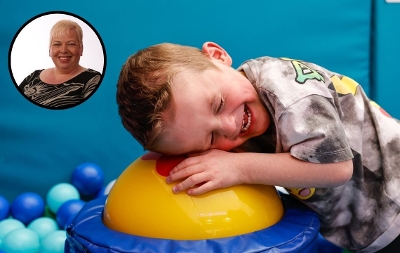

Support for children and young people with special educational needs and disabilities (SEND) and those who may require alternative provision (AP) outside of mainstream school will be strengthened under a new strategy for 2025-30 approved by Stockton-on-Tees Borough Council.
The SEND and AP Strategy for 2025-2030 has been developed by the Stockton-on-Tees local area partnership in collaboration with local children, young people, parents and carers and partners including education settings, health, and care professionals. The partnership is made up of the Integrated Care Board (ICB) for the North East and North Cumbria, health, education, the Council, Stockton-on-Tees Parent Carer Forum, children, young people, parents and carers.
The strategy sets out a five-year plan of key commitments of how the local area partnership will support children and young people with special educational needs and disabilities, or who may require alternative provision, to thrive and reach their full potential.
To support children and young people towards their preparation for adulthood, the strategy will be led by four key priorities - being as healthy as possible, building relationships with friends, family, and the community, developing independence, and accessing quality education, training and employment opportunities.
It follows a year-long process of work by the partnership to better understand their needs and the challenges that are being faced, including work to refresh its Joint Strategic Needs Assessment.
Councillor Clare Besford, the Council's Cabinet Member for Children and Young People, said: "We know that more children than ever are being identified as having SEND or need specialist provision so it's vitally important that we do all we can to support them.
"Rooted in our shared values of fairness, opportunity, and community, the strategy reflects our determination to ensure that every child - regardless of background or need - can thrive in a supportive and well-resourced learning environment. It has been shaped through meaningful engagement with families, educators, health professionals, and voluntary sector partners, ensuring that lived experience informs policy.
"By making the best possible use of resources we can improve outcomes for children and young people - through partnership working, a focus on early intervention, putting children and young people's voice at the centre of how we work and delivering support in the right time, in the right place."
The strategy was approved by Cabinet Members yesterday, Thursday 16 October.


